Charging in the rain: what happens?
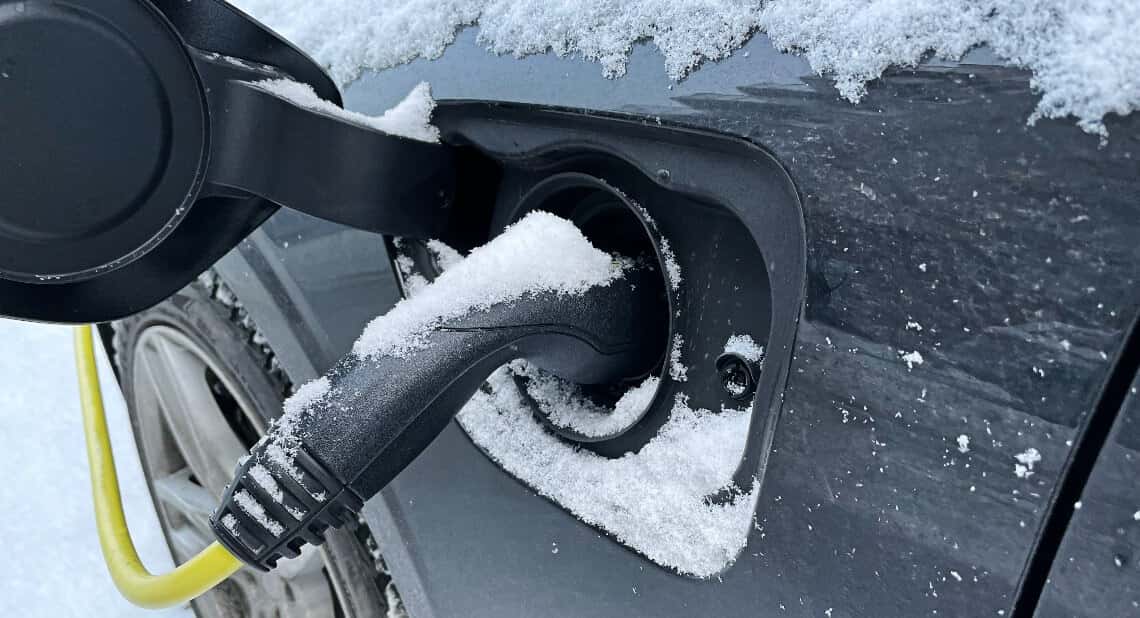
For everyday use, rain is not something you need to worry about. EVs are designed to handle charging in the rain. These items are built to be waterproof:
If they’re installed and used correctly, you can charge your car safely in normal rainy conditions.
When it's raining heavily and your car needs charging, you might look at the charger, then at the weather, and pause. Water and electricity do not usually mix.
It’s a reasonable concern, but it’s not something you need to worry about. You can charge your EV as you normally would.
When will I not be able to charge?
The only time there may be an issue is if your equipment has been damaged, installed incorrectly, or not maintained properly. In those cases, it’s always best to stop charging, then check in with your dealer.
Can an EV overheat?
EVs are designed not to overheat and it’s very unlikely they will.
When it’s over 35°C outside and you’re fast charging, the battery rises to a high temperature. It’s natural to wonder if this will cause overheating.
Advanced cooling systems work while you’re charging and during the summer.
Visit our EV for me hub. It has everything you need to help you decide whether an EV is right for you.
Will I run out of charge?
It’s rare for EVs to run out of charge. It happens as often as petrol or diesel vehicles run out of fuel.
Just like a petrol or diesel car, if you plan properly, you will not run out of charge. Top your EV up to 80% when you get the chance to charge and do not let it fall below 20%.
If your charge drops to 0%, you’re covered for breakdowns by your lease and you can contact the RAC to come out and recharge your battery.
EV range varies, depending on which EV you get
Choose an EV that suits your routine and plan your journeys. If you choose an EV that suits your everyday journeys and your lifestyle, you’re unlikely to run out of charge.
Modern EVs have great battery management systems. These give you plenty of warnings before your charge drops to 0%, so you get can to a chargepoint.
How long do EV batteries last?
EV batteries have a long lifespan. According to the RAC, most last over 10 years(opens in a new window). That means your battery might outlast your car.
What to focus on when choosing an EV
It’s important to:
- Keep in mind how long your everyday journeys are
- Make sure you have access to chargepoints
- Feel comfortable using the features inside your EV
Then you’ll stay confident on the road.
How the Motability Scheme supports you
If you’re unsure about an EV topic, check our EV for me hub. You’ll find practical answers to your questions.
Quick answers to your EV questions
What happens if an EV charging port gets wet?
If rainwater gets into your EV while you’re charging, there’s no need to worry. EVs are built to be weatherproof. This includes your charging port.
How hot is too hot for an EV? Above 35°C, your battery will start to heat up. That’s when your EV’s system will start to cool your vehicle down.
Around 20°C to 25°C is when your EV is at its most efficient.
Ready to learn more about EVs?
Check if an EV could work for your routine.