From British icon to modern classic
This year, the modern MINI celebrates 25 years of production in the UK. Let's look back at how this much-loved small car has changed, the skills behind its production and what UK-built cars can offer Motability Scheme customers today.
The Mini story began in 1959, when car designer Alec Issigonis introduced a small car with a clever approach to space. Its compact design, front-wheel drive and wheel-at-each-corner stance created more room inside than seemed possible from its small size.
It quickly found a place in British culture. The Mini appeared in movies, gained popularity with celebrities, and found great success in motorsport, all of which turned it into an icon.
The next chapter began in 2001 when the first modern MINI rolled off the production line at BMW Group's Oxford plant. The new-generation car brought familiar styling into a modern design. It combined the brand's distinctive character with updated technology, hatchback practicality, stronger safety features, and useful technology.
Over the following quarter-century, the MINI legend has continued to evolve. New generations brought changes to size, interior design, comfort, and technology. Yet some things always remained pleasingly familiar: distinctive styling, personalisation options, and emphasis on driving fun. These qualities continue to set the MINI apart.
The importance of being made in Britain
The Oxford plant has played a central role in the modern MINI's story. Since production began in April 2001, more than 4.67 million examples have been built. Today, the facility puts together the latest petrol-powered MINI Cooper three-door, five-door, and Convertible models.
The production numbers are impressive, but building a MINI also involves many other British businesses and suppliers. Together, they support skilled jobs, engineering, and investment in local communities. These combined efforts help to keep the UK's automotive industry moving forward.
Similarly, supporting British manufacturing is a valuable part of the Motability Scheme's wider contribution to the UK economy. Its main purpose is to support disabled people and their independence, giving them access to affordable motoring. Leasing UK-built cars is one of the many ways the Scheme supports the UK economy and jobs
Four generations of change
Since the modern MINI arrived in 2001, it has evolved through four generations. Each has brought changes while keeping the familiar design at its heart.
- First generation (2001-2006): a fresh take on a British classic
The first modern MINI introduced a fresh take on the classic Mini, combining its recognisable shape with modern engineering, improved safety, and a more refined driving experience
- Second generation (2006-2013): more efficient engines and new models
The next generation built on this foundation with updated engines, improved efficiency, and a growing range of models, including the Clubman and Convertible
- Third generation (2014-2023): more space, comfort, and technology
This generation brought a bigger step forward in technology, comfort, and practicality. The introduction of a five-door model gave customers more choice, while improved connectivity and driver assistance features reflected changing expectations. It also marked the arrival of a fully electric MINI
- Fourth generation (2024 to date): a more digital and electrified future
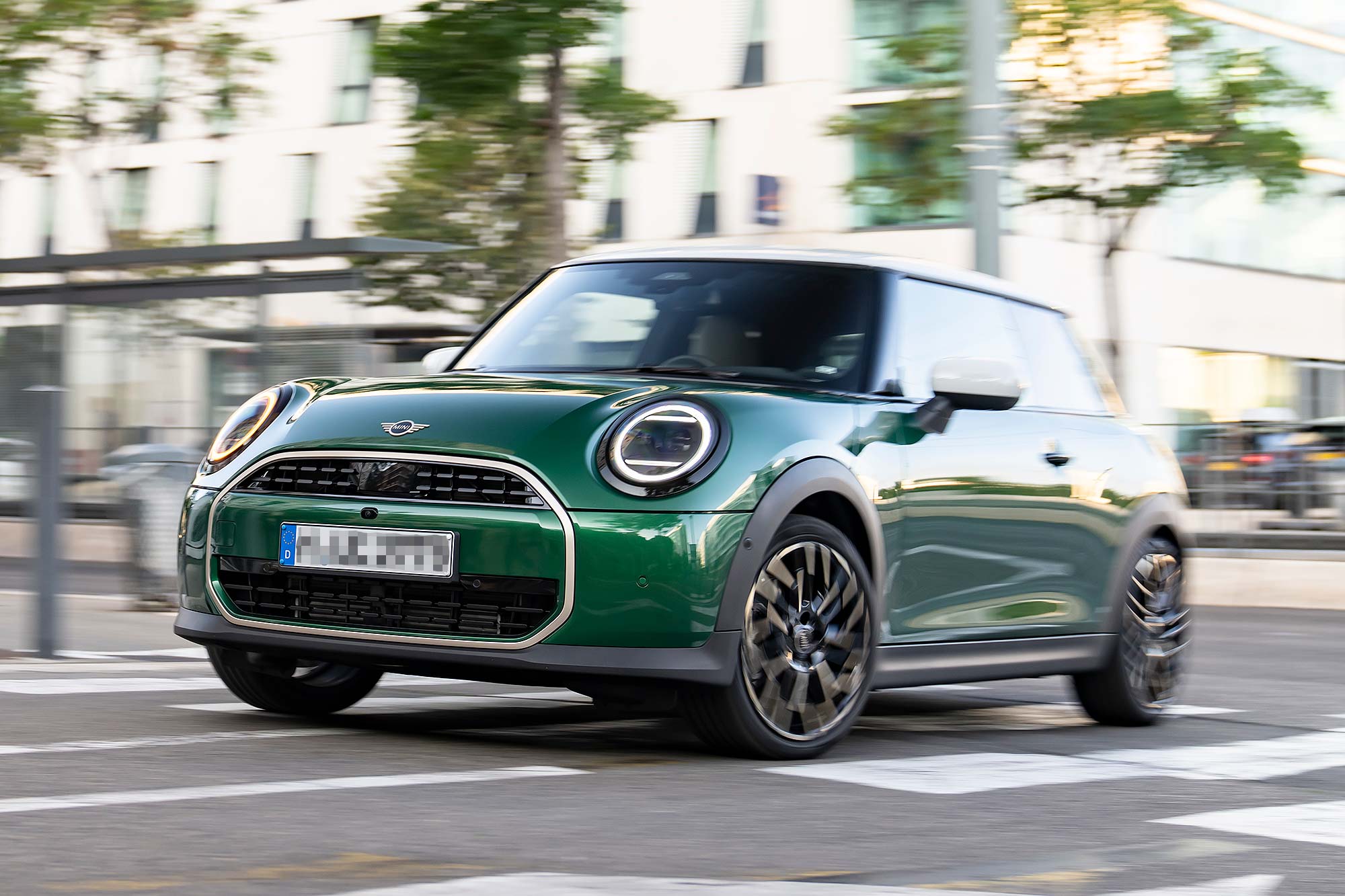
This latest generation takes the MINI further into the digital age. It offers a redesigned interior, large circular central display, and more connected technology, alongside a choice of petrol and fully electric models
Throughout these changes, the MINI has retained its distinctive styling and basic proportions. But its evolution also reflects something broader, how cars have had to adapt to offer more comfort, technology, and choice for today's motorists.
How has the MINI changed for today's motorists?
The modern MINI has developed considerably since 2001. Technology that was once unusual in a small car is now commonplace. Every model in the latest range features a user-friendly central touchscreen, smartphone connectivity, and various driving assistance systems, features that can make everyday journeys safer and more convenient.
Driver assistance technology can be particularly useful for some disabled motorists. Parking sensors and cameras, for example, can help when manoeuvring in tighter spaces. Features vary between models, so it is important to understand what each system does rather than assume every MINI will meet a particular need.
The driving experience has changed too. Modern models offer a much higher level of refinement and comfort than their early predecessors, while retaining the go-kart style personality that has always been central to a MINI's appeal.
Is the latest MINI Cooper practical for disabled motorists?
Accessibility is individual. A car that works well for one person may not be suitable another. So, for anyone considering a UK-built MINI Cooper (all new MINI hatchback models now carry the Cooper name), it is worth looking beyond the car's appearance and thinking about how it would fit into everyday life.
The three-door MINI Cooper is relatively compact. Its longer front doors and lower seating position may make getting in and out more difficult for some people. Access to the rear seats can also require extra movement. On the other hand, the five-door model offers more straightforward access to the rear seats, which may make it easier for some passengers and families. However, neither body style will suit everyone.
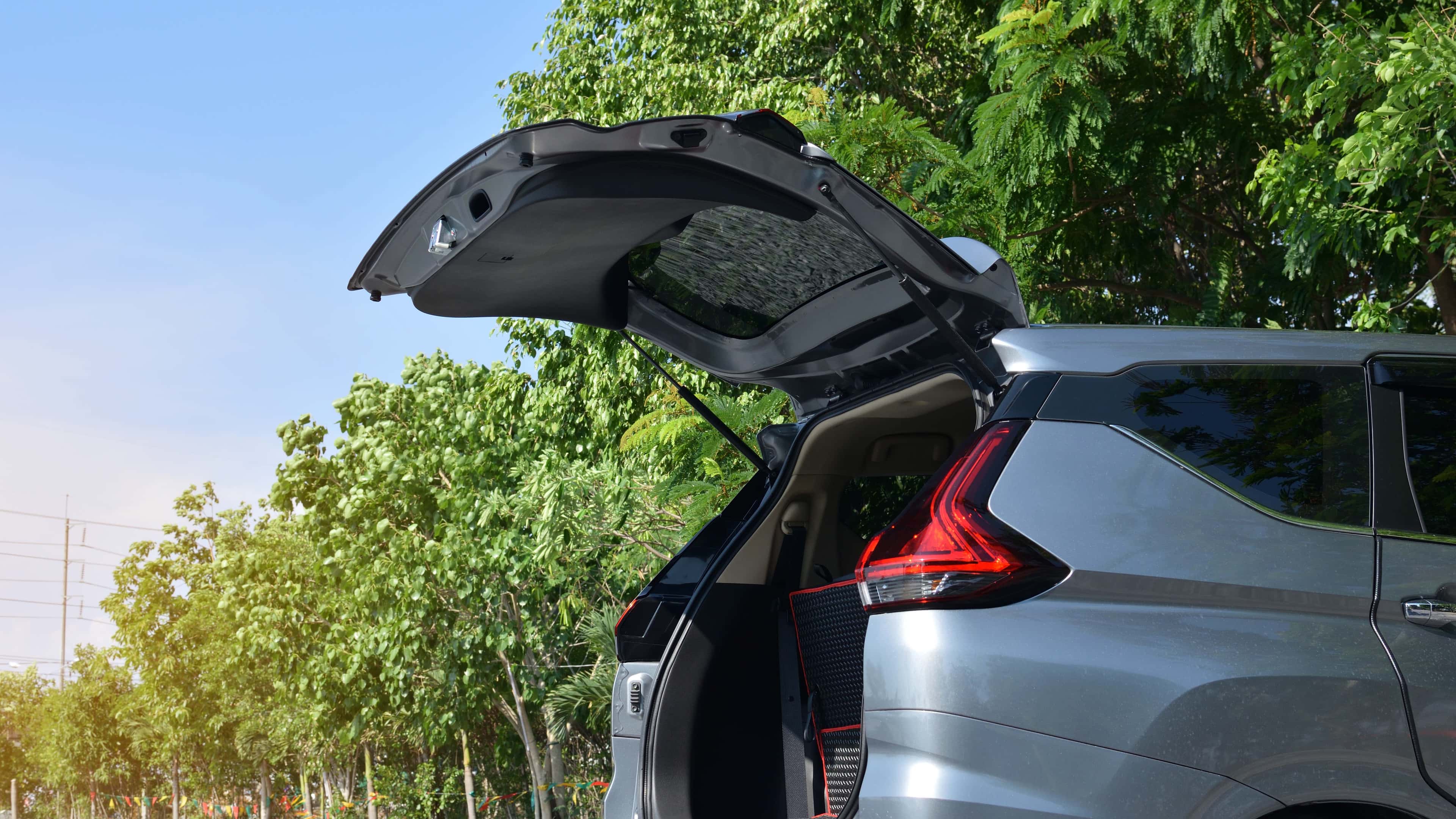
Boot space is another important consideration. Think about what you regularly need to carry, whether that's shopping, luggage, walking aids or a folding mobility scooter. Check the boot dimensions, the shape of the opening and luggage capacities, and consider whether equipment can be lifted in and out comfortably.
It is also worth considering whether a MINI can accommodate any adaptations you need. Not every car is suitable for every adaptation, so it is important to check compatibility before making a decision.
Where possible, arrange to see a vehicle in person and try getting in and out, adjusting the seat and checking storage space. If someone else will be driving, make sure they can assess the vehicle too. A test-drive or suitability assessment can help you understand whether a MINI works for your particular needs.
The MINI Cooper and the Motability Scheme
The Motability Scheme offers customers a wide choice of vehicles from different manufacturers, including UK-built models such as the MINI Cooper.
At the time of writing, eligible customers can order a MINI Cooper 1.5 Classic three-door automatic without any upfront advance payment. Prices, specifications, and availability can change, so it is important to check the latest details before making a decision.
Of course, the MINI is just one option from a wide range of choices that reflect different needs, preferences, and budgets. The right vehicle is ultimately the one that works best for the individual, whether they are driving, travelling as a passenger, or relying on a named driver.
Looking ahead: the future of UK-built cars
The MINI's 25-year milestone is a reminder of how much British motoring has evolved. No doubt the next quarter-century will bring further changes to the UK's automotive industry. New technology, electric vehicles, and changing customer expectations will all shape what comes next.
Interested in Joining the Scheme?
Exchange your qualifying mobility allowance for a brand new car, Wheelchair Accessible Vehicle (WAVWheelchair Accessible Vehicle), scooter or powered wheelchair with the Motability Scheme
You'll get a full package. We'll cover your insurance, servicing and breakdown.
Am I eligible?
You need to receive one of the qualifying mobility allowances, with at lease 12 months left, to be eligible to join the Motability Scheme.