Some people have the wrong idea about WAVWheelchair Accessible Vehicles. That might put you off looking into something that could make a big difference to your independence.
Here, Emma shares her personal experiences as a full-time powerchair user and Motability Scheme customer, offering practical insights and honest reflections to help you decide if a WAVWheelchair Accessible Vehicle could be the right choice for you.
- Myth 1: WAVWheelchair Accessible Vehicles can be complicated to operate
- Myth 2: WAVWheelchair Accessible Vehicles limit choice and style
- Myth 3: WAVWheelchair Accessible Vehicles compromise comfort
- Myth 4: WAVWheelchair Accessible Vehicles restrict freedom and independence
- Myth 5: You cannot drive from a wheelchair
- Benefits and limitations of WAVWheelchair Accessible Vehicles
- Tips for choosing the right WAVWheelchair Accessible Vehicle
Myth 1: WAVWheelchair Accessible Vehicles can be complicated to operate
Reality: WAVWheelchair Accessible Vehicles are designed with ease of use at their core
A common myth about WAVWheelchair Accessible Vehicles is that they are difficult to operate, which can make the idea of getting one feel daunting. However, WAVWheelchair Accessible Vehicles are designed with ease of use in mind and user-friendly features.
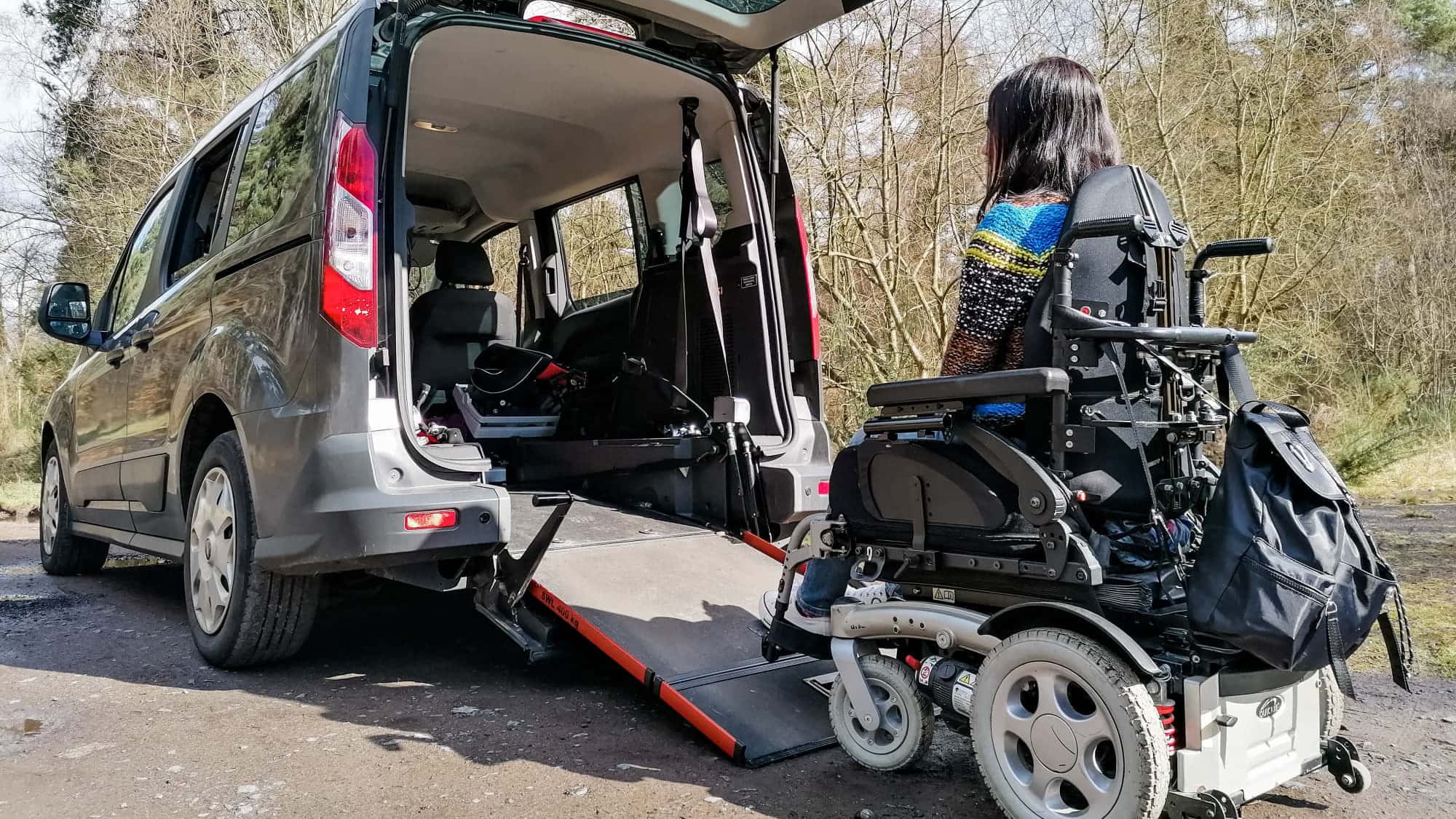
Features such as low-angle ramps, automatic and gas-assisted ramps, and powered lifts make entering and exiting the vehicle straightforward, reducing the need to lift the entire weight of the ramp yourself.
While WAVWheelchair Accessible Vehicles are generally larger than standard cars, which might seem intimidating, you’ll find that they drive quite similarly. I’ve been a Motability Scheme customer for around twenty years and have had various WAVWheelchair Accessible Vehicles during that time. My partner and my mum are my main drivers, and they both noted how much easier the WAVWheelchair Accessible Vehicles I’ve had in recent years are to drive, especially with the option of automatic transmission. My current WAVWheelchair Accessible Vehicle, a Peugeot Rifter, is equipped with a colour reversing camera, parking sensors, an 8″ colour touchscreen with an in-car entertainment system, and powered heated and folding door mirrors.
Myth 2: WAVWheelchair Accessible Vehicles limit choice and style
Reality: There are lots of choices for those looking for a WAVWheelchair Accessible Vehicle
While it’s true that there are fewer WAVWheelchair Accessible Vehicle models to choose from compared to standard cars, there are still many options available to find one that suits your needs. The selection of WAVWheelchair Accessible Vehicles available through the Motability Scheme includes various sizes, makes, and models.
If you prefer a compact option that drives like a standard car, consider small to medium WAVWheelchair Accessible Vehicles such as the Volkswagen Caddy, Peugeot Rifter, or Dacia Jogger. These models can accommodate between five and six passengers, making them ideal for couples or smaller families.
For larger families or those needing extra space for equipment and luggage, medium to large WAVWheelchair Accessible Vehicles are a better fit. They provide the necessary room for larger wheelchairs and additional gear, ensuring comfort and convenience for all passengers.
The Citroen Space Tourer, Renault Trafic, and Volkswagen Crafter are among the largest passenger WAVWheelchair Accessible Vehicles available on the Motability Scheme.
Myth 3: WAVWheelchair Accessible Vehicles compromise comfort
Reality: WAVWheelchair Accessible Vehicles are built for comfort for drivers and passengers.
WAVWheelchair Accessible Vehicles have often been perceived as boxy and uncomfortable for passengers, mainly due to their size and spacious interiors, which could lead to a less smooth ride. However, comfort has significantly improved in WAVWheelchair Accessible Vehicles over the years.
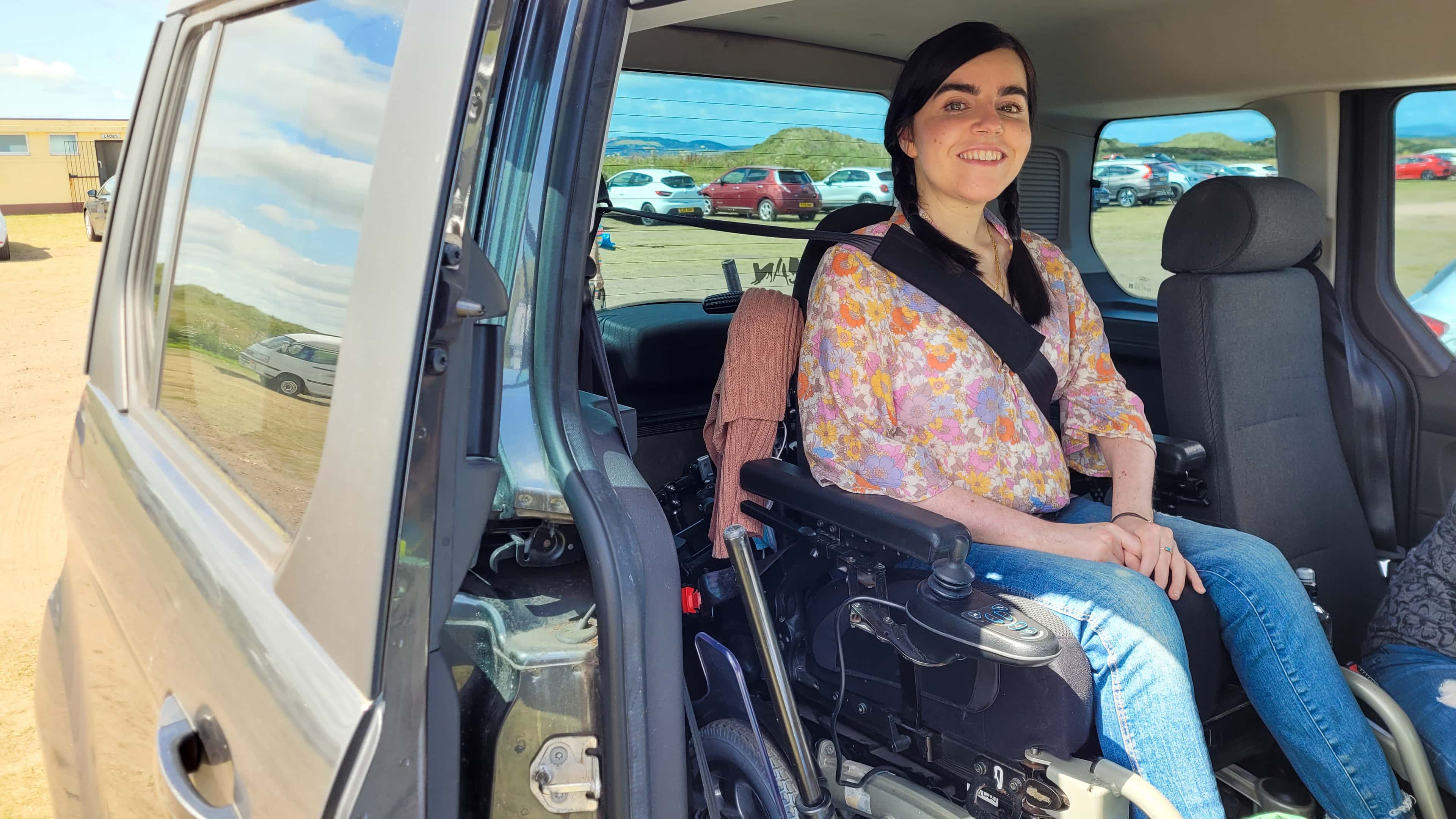
Many modern WAVWheelchair Accessible Vehicles offer a variety of seating configurations, allowing you to choose a setup that feels most comfortable and best meets the needs of you and your family. I previously found travelling in WAVWheelchair Accessible Vehicles to be quite bumpy and noisy, but WAVWheelchair Accessible Vehicles are now equipped with enhanced suspension systems for a smoother and quieter driving experience.
I feel much more comfortable riding in my current WAVWheelchair Accessible Vehicle because the suspension absorbs bumps, and road noise is significantly reduced. Some WAVWheelchair Accessible Vehicles even have carpeted flooring and side panels that reduce echoing and create a more car-like feel.
My partner and mum enjoy driving my WAVWheelchair Accessible Vehicle because they find it very comfortable. They appreciate the slightly elevated seating position, which gives them a better view, and they feel that the medium size of the vehicle provides an enhanced sense of safety while driving.
Additional features include adaptations to suit your needs, a choice of automatic transmissions for ease of use, and a heating and air conditioning system, as well as built-in technology such as an infotainment system featuring navigation, audio options, and vehicle settings functions.
Myth 4: WAVWheelchair Accessible Vehicles restrict freedom and independence
Reality: WAVWheelchair Accessible Vehicles can enhance freedom and independence
Whether I’m going to work, socialising, attending appointments, or travelling, my WAVWheelchair Accessible Vehicle provides me with the freedom and independence to go wherever I want, whenever I want – something that relying on public transport simply cannot offer.
Part of my job as a disabled travel writer involves attending meetings and work events, as well as travelling across the UK, visiting different places to review the accessibility of hotels, event spaces, and transportation.
Having a WAVWheelchair Accessible Vehicle that meets my needs has been life-changing, allowing me to keep working and take advantage of exciting opportunities that would otherwise be impossible without it. One key advantage is that I can store my mobility equipment in my WAVWheelchair Accessible Vehicle, which is especially important because I rely on my mobile hoist when I travel for work.
In addition to travelling for work, I often go on holidays and day trips with my partner and family. There is plenty of space for passengers, everyday items such as shopping bags, and often room for plants I buy from my favourite place, the garden centre. My WAVWheelchair Accessible Vehicle has provided me with greater freedom, comfort, and an improved quality of life, for which I feel incredibly grateful.
Myth 5: You cannot drive from a wheelchair
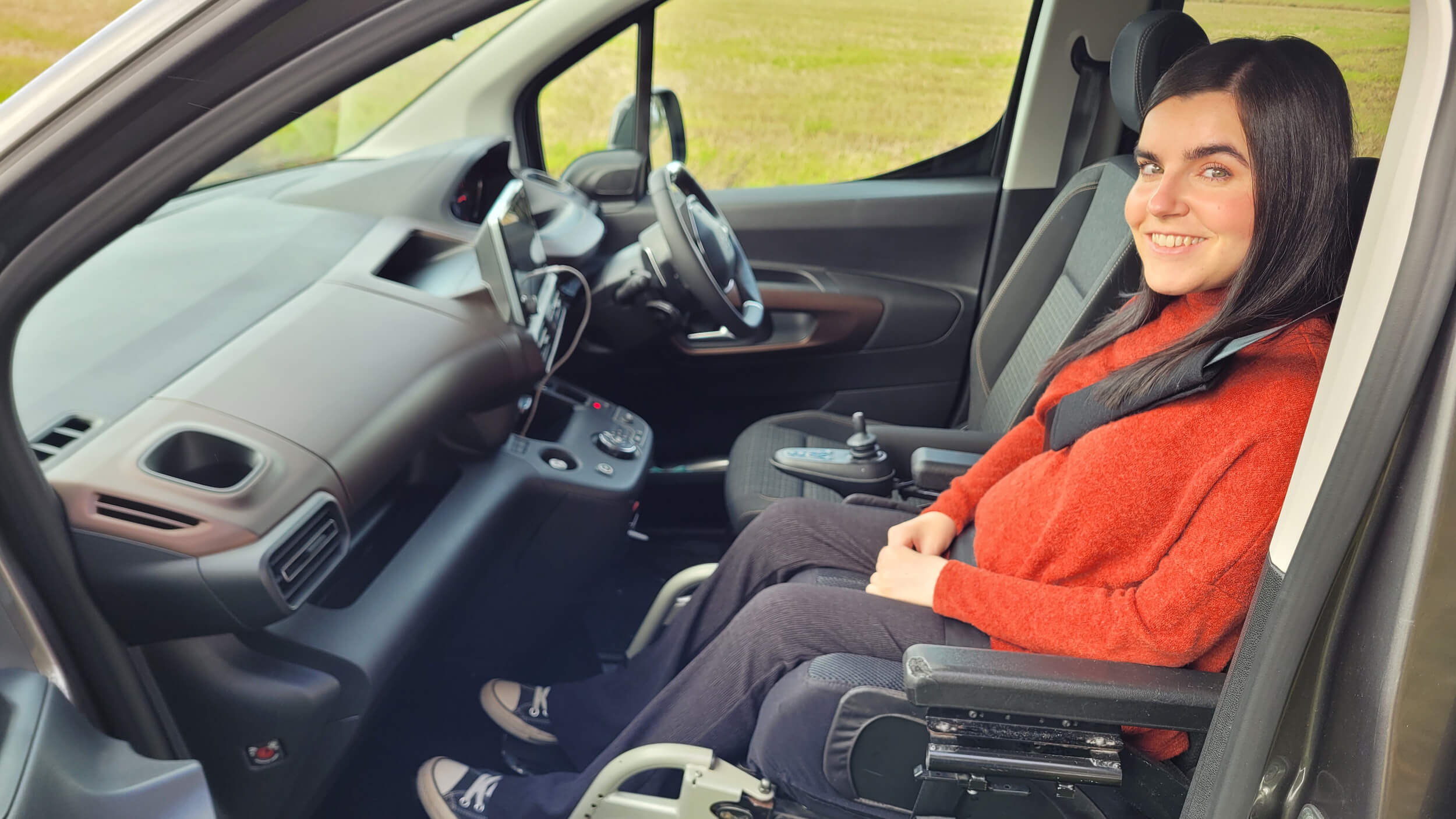
Reality: You absolutely can. Some WAVWheelchair Accessible Vehicle models are specifically designed to be driven from a wheelchair.
Another common misconception is that WAVWheelchair Accessible Vehicles are only designed for passengers. However, there are also drive-from WAVWheelchair Accessible Vehicles that allow wheelchair users to drive directly from their wheelchairs. These vehicles can be equipped with driving controls and secure wheelchair docking systems.
Drive-from WAVWheelchair Accessible Vehicles are available through the Motability Scheme and come with various adaptations tailored to meet individual needs, such as driving controls.
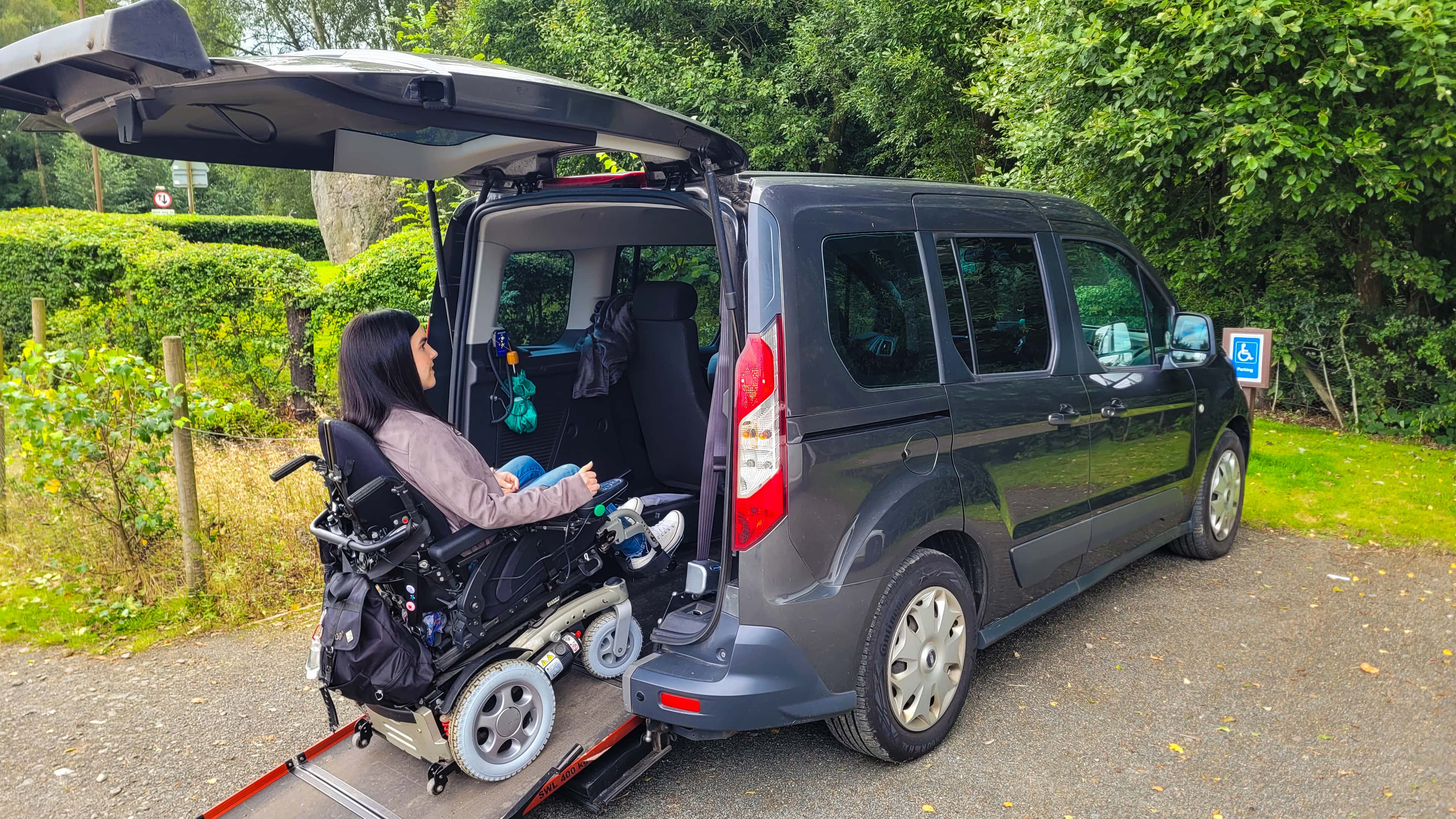
Other features include things like a one-touch automatic tailgate and a wheelchair ramp release. This design makes it much easier for wheelchair users, allowing them to enter and exit the vehicle without having to manually open and close the door or lift and pull the ramp themselves. Instead, they can easily open and close the rear door and operate the ramp or lift by simply pressing a button on their key fob.
Popular models of drive-from wheelchair WAVWheelchair Accessible Vehicles include the Ford Grand Tourneo Connect and the Peugeot Rifter. Both offer rear-entry ramp access and can accommodate three additional passengers. The Mercedes-Benz Sprinter and Peugeot Boxer are among the largest drive-from WAVWheelchair Accessible Vehicles available, both equipped with lift access.
Benefits and limitations of WAVWheelchair Accessible Vehicles
While WAVWheelchair Accessible Vehicles offer freedom, convenience, and comfort, it’s important to understand their benefits and potential limitations to help you make the right decision.
Benefits:
- Enhanced mobility and independence
- Comfortable, safe travel for wheelchair users
- Options to drive from a wheelchair or travel as a passenger
- A range of adaptations for individual needs
Limitations:
- WAVWheelchair Accessible Vehicles may require more parking space than standard cars
- When sitting in the back of the WAVWheelchair Accessible Vehicle in your wheelchair, your view out of the window may be partially restricted due to your higher seating position
- Sitting towards the rear of the vehicle can make it harder to communicate with the driver or other passengers
Tips for choosing the right WAVWheelchair Accessible Vehicle
Choosing the right WAVWheelchair Accessible Vehicle involves more than just picking a car. It can be helpful to consider the following:
- Your lifestyle: Do you travel often? Need room for family or equipment?
- Travelling position: Do you want to drive or be a passenger?
- Wheelchair access: Ensure the WAVWheelchair Accessible Vehicle fits your wheelchair comfortably and securely
- Vehicle size: How easy will it be to park the vehicle? Will the WAVWheelchair Accessible Vehicle fit on your driveway or in your garage, or will you use on-street parking?
- Adaptations: Do you need adaptive driving controls to help you drive?
- Entry method: Ramps or lifts, side or rear entry – what works best for you?
- Try before you decide: Take advantage of WAVWheelchair Accessible Vehicle home demonstrations or attend a Motability Scheme Live(opens in a new window) event where you can view and test drive the range of vehicles on display and chat with the experts
Find out more about leasing a WAVWheelchair Accessible Vehicle on the Motability Scheme
Thousands of people lease a WAVWheelchair Accessible Vehicle on the Motability Scheme to stay mobile.
Request information to see what the Motability Scheme can offer you.
*About the author
Emma Muldoon is an award-winning disability blogger and writer. As a full-time powerchair user with Limb-Girdle Muscular Dystrophy, she shares her personal experiences on accessibility, inclusive travel, and disability awareness. Emma’s articles have appeared on major platforms, including Disability Horizons, Lonely Planet, and VisitScotland, and she regularly collaborates with organisations to promote greater accessibility and inclusion. You can read more about Emma and her accessible travels on her blog Simply Emma(opens in a new window).
Related articles
What makes a Wheelchair Accessible Vehicle (WAVWheelchair Accessible Vehicle) different?
Top tips for a UK holiday with a powered wheelchair
The future of WAVWheelchair Accessible Vehicles: e-VITA and new conversations with manufacturers